What operating case should be defined for Dry Ice Cleaning System Selection Guide?
Define the contaminant, substrate, acceptable surface change, cleaning area, access, and available shutdown time. Heavy deposits on robust tooling need a different setup from light residue on wiring, interiors, or finished components.
- Automotive components and production fixtures
- Molds, tooling, rollers, and electrical equipment
- Food-production equipment subject to site sanitation procedures
- Mobile service work versus fixed production cleaning
What selection data is required for Dry Ice Cleaning System Selection Guide?
For dry ice cleaning system selection guide, take values from the installed equipment, nameplate, drawings, or a measurement. Mark any unconfirmed input as pending.
- Contaminant type, thickness, and adhesion
- Substrate material, finish, temperature, and damage limits
- Available pressure and CFM after dryer and filters
- Pellet size, supply distance, and daily availability
- Ventilation, CO2 monitoring, noise, PPE, and access
How should Dry Ice Cleaning System Selection Guide options be compared?
Compare complete operating cases, not machine names. The same blaster can perform differently when hose length, nozzle, air quality, pellet condition, and duty change.
| Situation | Option to review | Confirm before selection |
|---|---|---|
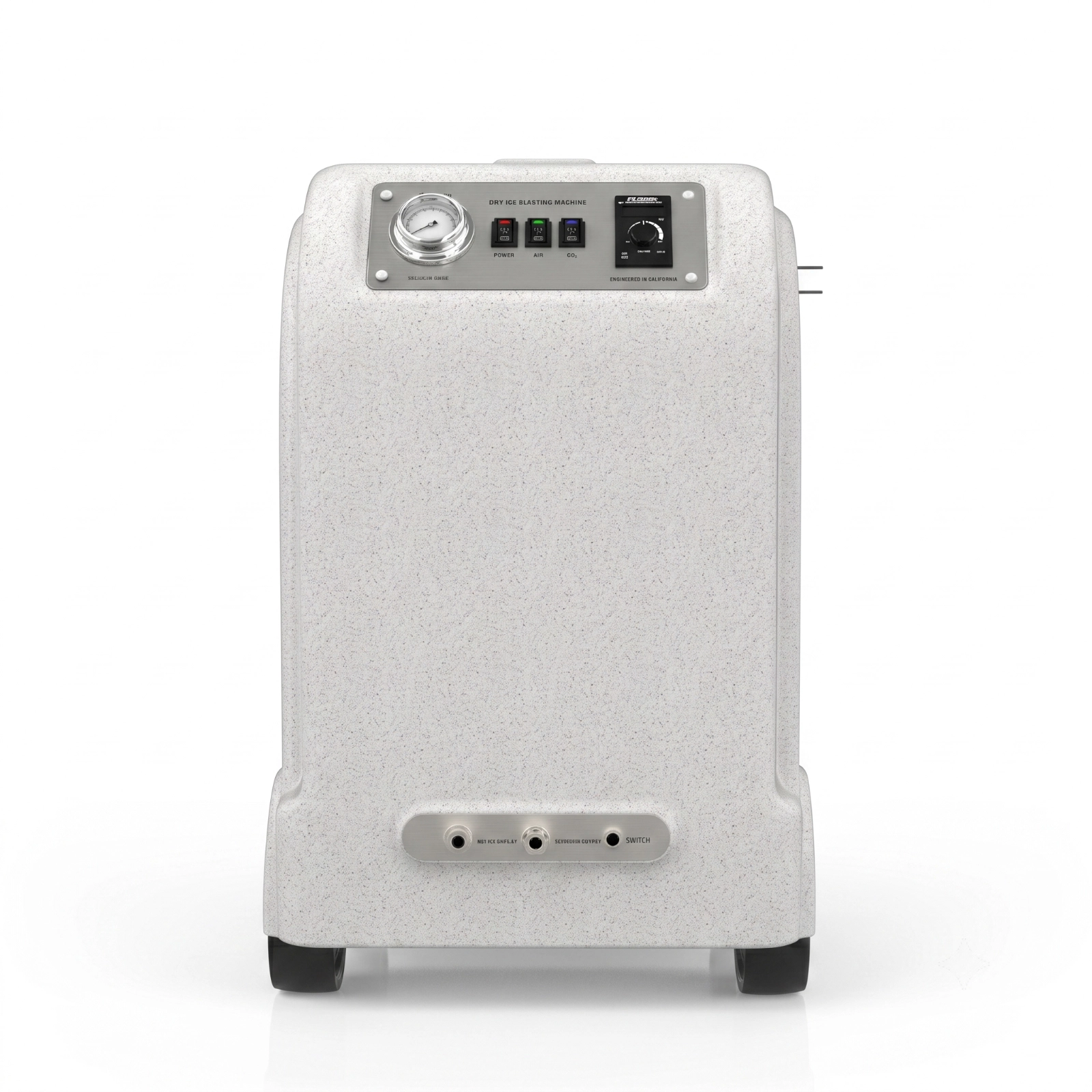
| Mobile maintenance and smaller work areas | GR-DIB-20KG-A portable blaster | Air supply, hose reach, pellet availability, ventilation |
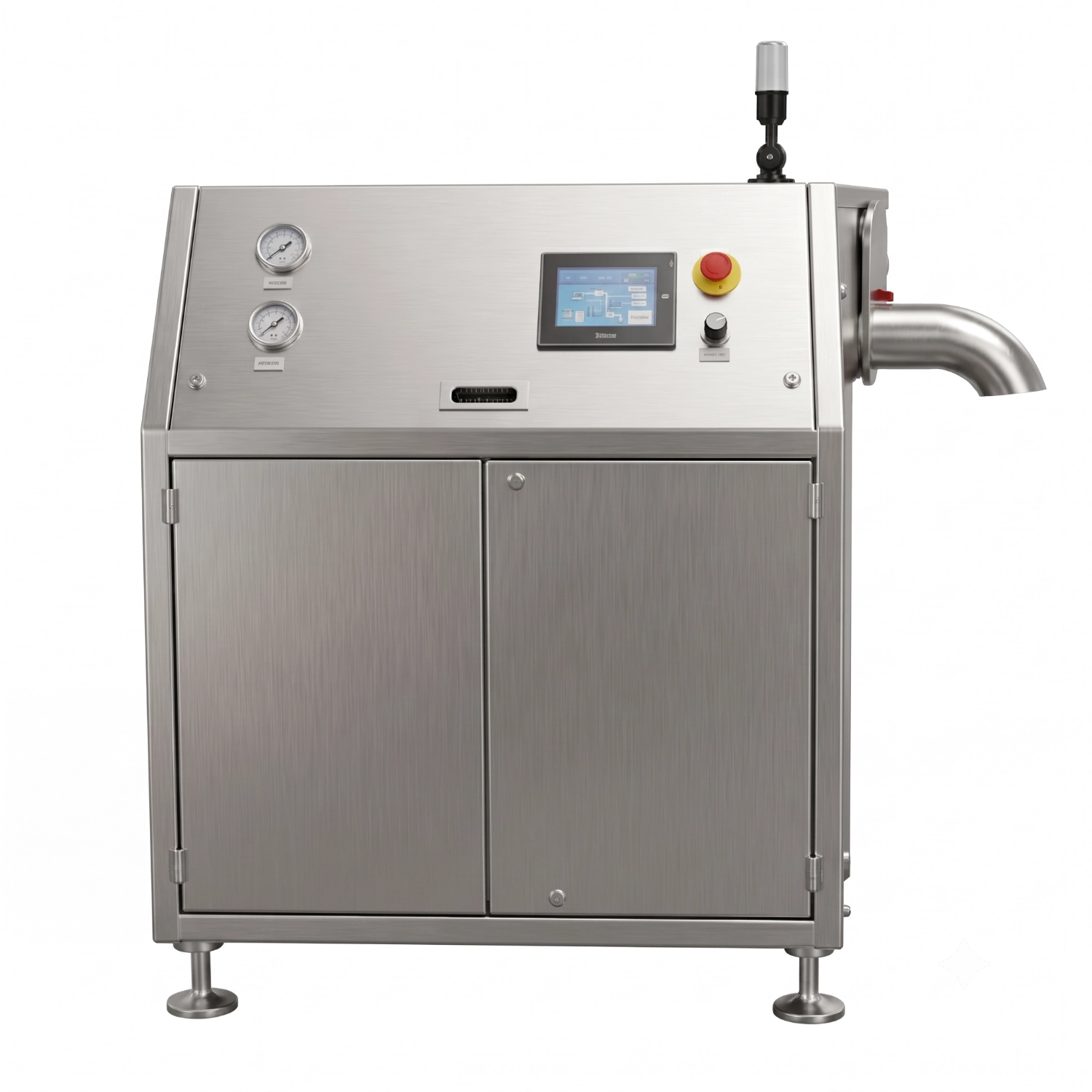
| Regular pellet demand with unreliable delivery | GR-DIP-50KGH on-site pelletizer | Liquid CO2 supply, power, production rate, storage |
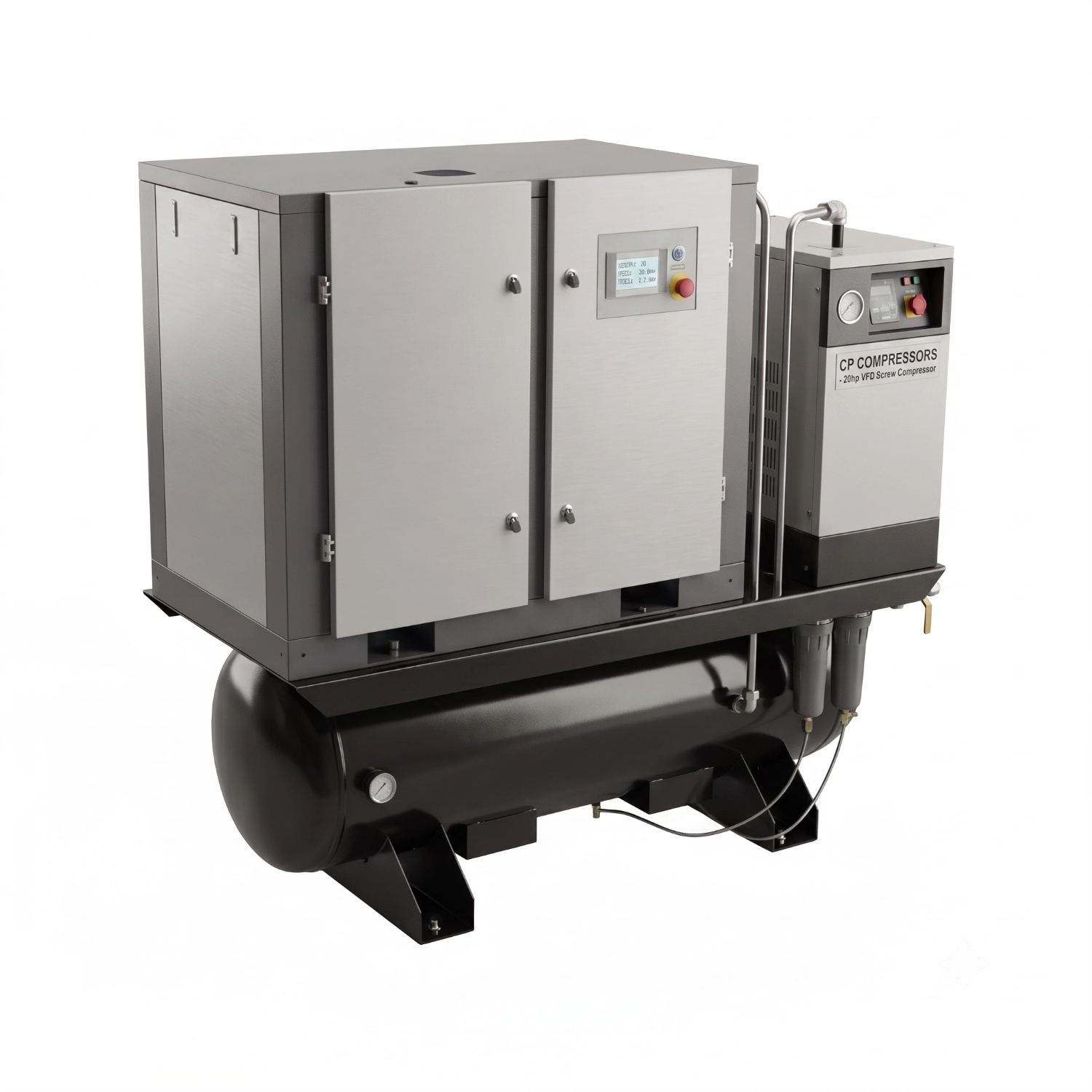
| Plant air cannot meet the operating point | Dedicated compressor package | CFM at pressure, dryer, receiver, hose losses |
What compatibility limits must be checked?
Confirm the blaster, hose, gun, nozzle, compressed-air connection, pellet size, and operating range as one system.
- Sizing the compressor from motor power alone
- Ignoring dryer, filter, hose, and plant demand losses
- Using old or fragmented pellets
- Treating dry ice cleaning as a substitute for sanitation validation
What should a quotation request include?
Send these items together so the review of dry ice cleaning system selection guide can separate the main product, compatibility, accessories, documents, and freight.
- Application photographs and sample area
- Contaminant and substrate details
- Available PSI, CFM, air connection, and air quality
- Expected hours per day and pellet supply plan
- Destination, power, access, documents, and target date
What commercial scope must be confirmed?
Confirm air supply, pellet logistics, ventilation, operator controls, and the quoted machine configuration. Record these points for dry ice cleaning system selection guide.
- Quoted configuration for dry ice cleaning system selection guide
- Confirmed technical input: Contaminant type, thickness, and adhesion
- Acceptance check: Air supply, hose reach, pellet availability, ventilation
- Delivery scope: Destination, power, access, documents, and target date
- Applicable warranty, consumables, and wear-item exclusions